
Santa Rosa Mold Remediation
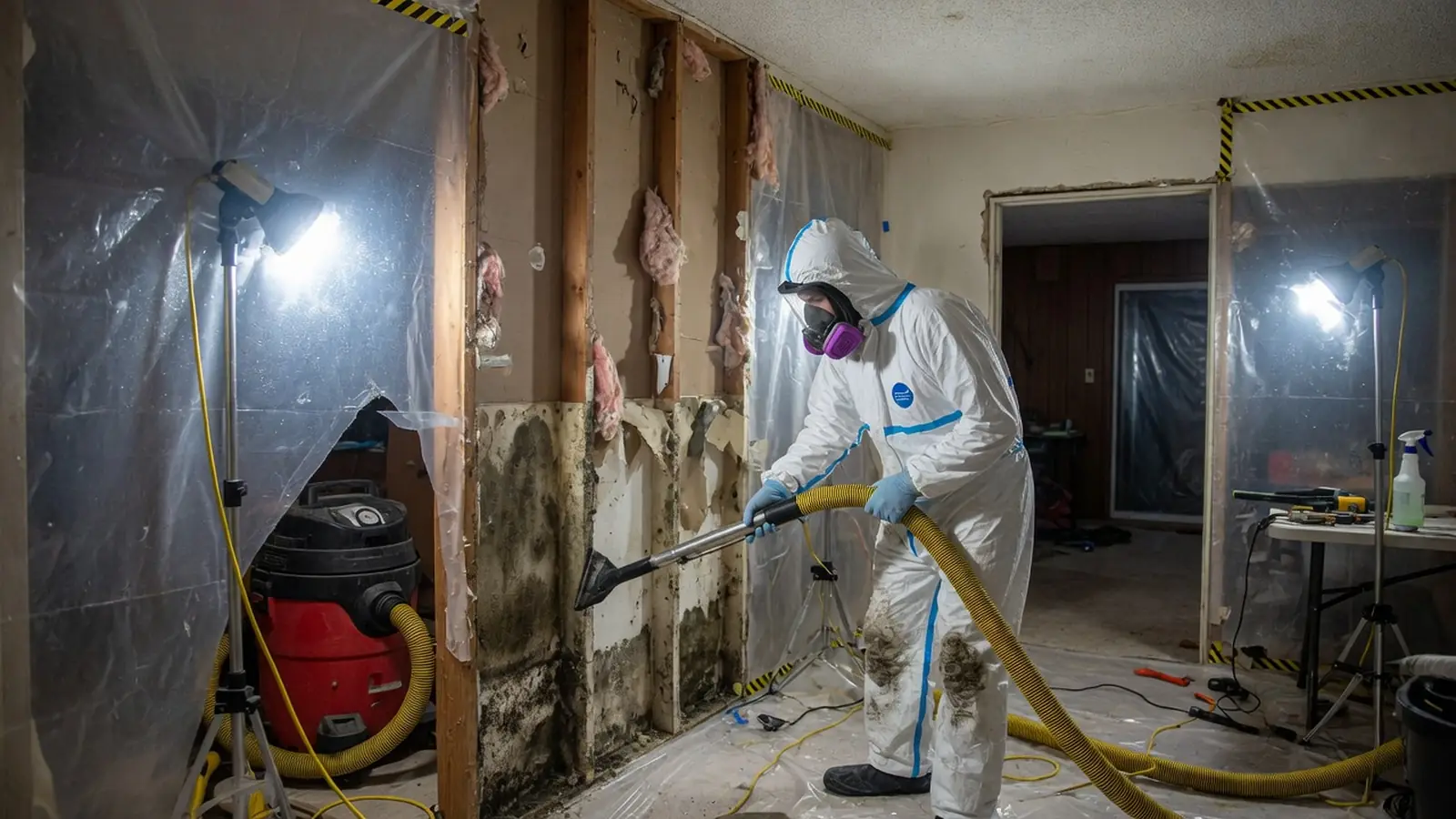
Extended atmospheric river storms cause widespread surface mold to spread along baseboards, exterior drywall, and window sills. We isolate contaminated rooms using negative pressure containment and extract moisture from structural framing before fungal colonies multiply. Our certified specialists restore safe, healthy indoor air without unnecessary demolition.
Root-Cause Moisture Elimination
Damp, foggy winter mornings sustain elevated indoor relative humidity, creating ideal conditions for hidden mold growth inside poorly ventilated bathrooms and crawl spaces.
Extended atmospheric river storms cause widespread surface mold to spread along baseboards, exterior drywall, and window sills.
Homeowners often report that damp, musty odors behind historic plaster walls after winter storms leave homeowners uncertain about inspecting for hidden mold without structural demolition.
Our crew recently used non-invasive moisture meters across older properties in Proctor Terrace to map hidden dampness without damaging original lath and plaster.
When moisture issues start from plumbing failures or storm runoff, comprehensive structural water damage mitigation stops saturation before fungal colonies take hold.
We eliminate contamination by establishing negative pressure containment and thoroughly drying timber before any cosmetic repairs begin.
Systematic Moisture Elimination
Deploying certified extraction specialists immediately after flooding prevents standing water from saturating framing and triggering mold growth.
Where standing water is present, scheduling emergency flood extraction services removes bulk moisture so deep drying can begin.
- Infrared Moisture Assessment. We map damp boundaries using infrared cameras and pinless meters to locate trapped water without unnecessary demolition. Our rapid response protocols for severe storm damage structural stabilization address building envelope failures before mold can spread.
- Zone Isolation And Filtration. Professional mold remediation isolates the affected zone with plastic sheeting and negative air pressure HEPA scrubbers to prevent spores from spreading into unaffected living spaces. This containment preserves clean air in adjacent living areas throughout the project.
- HEPA Vacuuming And Treatment. Technicians carefully bag damaged drywall, vacuum framing with HEPA filtration, and apply EPA-registered antimicrobial wash directly to the timber. Treating the wood directly neutralizes embedded hyphae that surface sprays cannot touch.
- Equilibrium Drying Verification. Framing and baseboards often retain excess moisture after drying equipment is removed, creating anxiety over whether sealing walls will trap hidden mold. We run commercial dehumidification and log moisture levels daily to verify wood reaches dry standards before any wall is closed.
Science-Based Remediation Standards
A frequent theme in trade recovery videos emphasizes that unresolved plumbing leaks quickly escalate into major structural flood events, requiring 24/7 moisture removal to restore building integrity. We follow strict containment protocols and verify every drying phase with calibrated moisture instruments. We never spray over wet lumber or conceal damp framing behind new drywall. You receive complete transparency, honest communication, and verified dry documentation for your property.
Attic And Crawl Space Remediation
Eliminates fungal growth on roof rafters, joists, and subfloors caused by winter condensation and trapped humidity. We isolate work areas to keep spores from entering living quarters.
Plaster And Drywall Cavity Drying
Identifies hidden moisture behind wall assemblies using thermal imaging to avoid destructive tear-outs. We target colonies directly and sanitize framing.
Structural Wood Decontamination
Decontaminates saturated studs, sill plates, and subflooring using HEPA vacuuming and commercial dehumidifiers. We verify wood moisture content reaches baseline standards.
Our Commitment To Scientific Remediation
We approach every home with rigorous containment standards and verified diagnostic tools. Rather than rushing to cover damaged areas with cosmetic paint, we ensure framing materials are completely dry and decontaminated to protect your indoor air quality.
- 10Zip Codes Served
- 7Service Areas
- 3Services Offered
Local property owners describe how our technicians contained fungal growth, explained every step, and restored healthy indoor conditions.
“When my next-door neighbor spotted dark patches behind her laundry wall, I told her to call this company immediately. The team had cleared our bathroom framing after winter moisture seeped in, keeping the air completely fresh. Passing their number along was an easy decision after how thoroughly they handled our home.”
Marcus T.
“Another contractor had ripped open our hallway drywall and left dusty debris scattered across the subfloor without fixing the dampness. The crew stepped in, sealed the room with proper containment barriers, and scrubbed the framing until moisture readings were completely normal. They completely turned a stressful mess into a clean, controlled repair.”
Elena V.
“Getting a detailed written scope before work began gave us immense peace of mind after discovering damp baseboards. The team explained exactly what testing and remediation would cost, and the final invoice matched their initial quote down to the cent. There were zero surprise fees or hidden add-ons.”
Derrick K.
“Every single afternoon before leaving, the technicians vacuumed the containment zone and neatly staged all their air scrubbers. They treated our home with incredible respect, never leaving loose plastic or dirty tools lying around when our family was home. Walking through our hallway each evening felt completely safe and tidy.”
Clara B.
Frequently Asked Questions
Can household bleach permanently eliminate mold growing on porous wood framing and drywall surfaces?
Bleach cannot eliminate mold on porous framing or drywall because chlorine stays on the surface while water feeds fungal roots deep inside. Professional remediation uses specialized antimicrobials and physical HEPA removal to eradicate colonies permanently.
How do you inspect for hidden mold behind walls without structural demolition?
We inspect hidden wall cavities using infrared cameras and pinless moisture meters to detect trapped dampness without damaging historic plaster. These diagnostic instruments map moisture signatures through walls, allowing targeted access only where fungal contamination exists.
How do technicians prevent mold spores from spreading during remediation?
Crews construct airtight polyethylene containment barriers and run negative air HEPA scrubbers to keep airborne spores out of living spaces. Continuous negative pressure ensures all air within the containment zone exhausts through medical-grade filters to the outdoors.
Why must framing and baseboards be verified dry before sealing walls?
Sealing wall cavities before wood reaches safe equilibrium moisture levels traps residual dampness, triggering hidden secondary fungal growth. Technicians use calibrated moisture meters to confirm framing and trim reach dry baseline standards before installing new drywall.
When can structural drying equipment be safely removed from a home?
Drying equipment remains running until calibrated moisture meters confirm that framing and baseboard materials have reached dry standard levels. Premature equipment removal traps moisture inside closed structural assemblies, creating ideal conditions for recurring mold colonies.